L1fe Blue / 01 · Coral
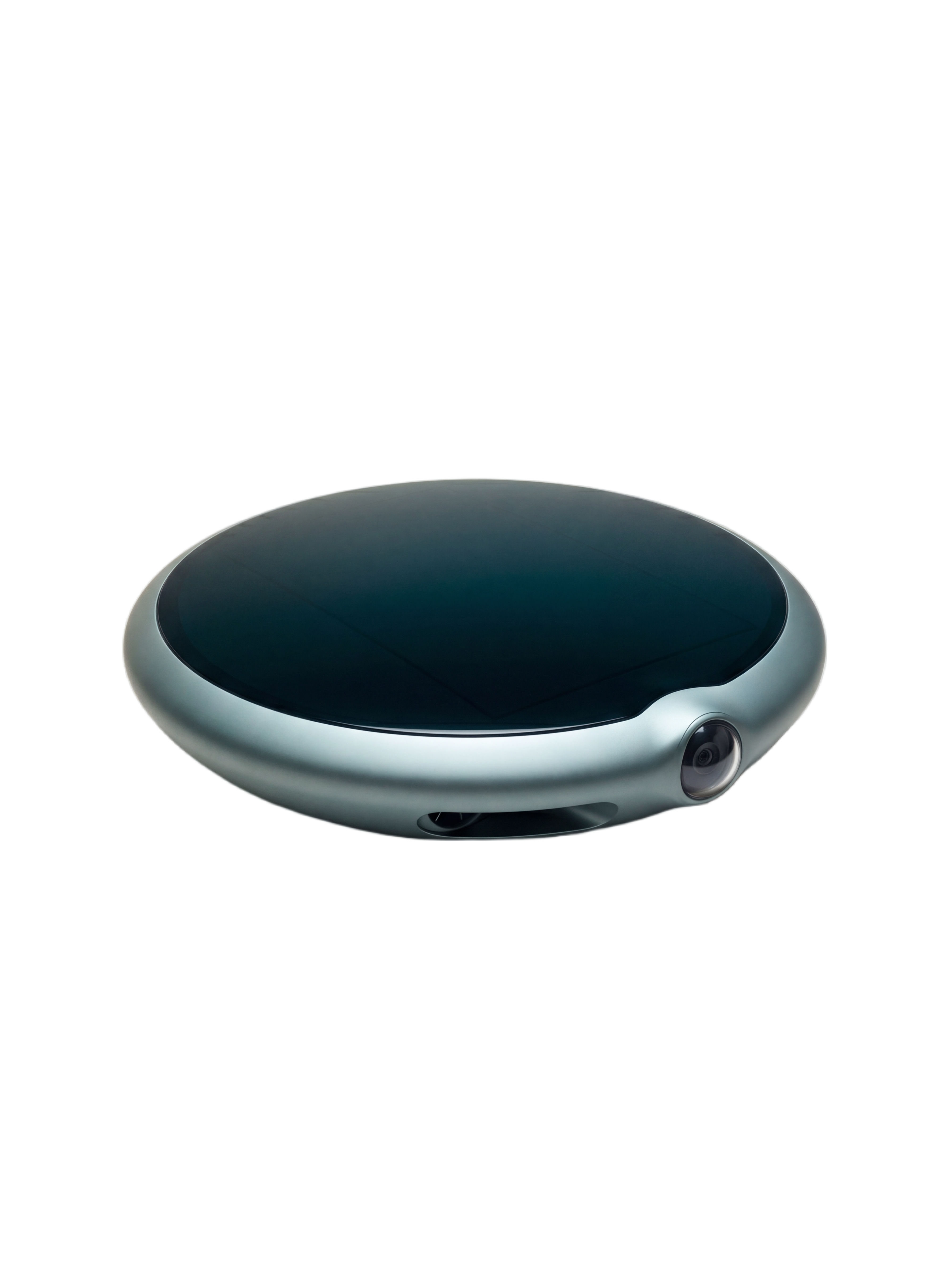 Coral · L1fe Blue / 01IMG-OC-02
L1fe Blue / 01 · Platform
Coral.
A thousand autonomous explorers. One collective mind.
Max depth3,800m
Duration90+ days
EnergySolar
UplinkStarlink
Coral · L1fe Blue / 01IMG-OC-02A thousand autonomous explorers. One collective mind.
A full operational cycle. No human input between deployment and recovery. Ninety days at a time.
Coral seals its shell and descends at controlled buoyancy. Aluminum-graphene cells require zero thermal management.
Multibeam sonar, optical imaging, chemical sensors, magnetic survey. Each unit contributes to a collective map.
When mission objectives or battery state require, Coral ascends. The top shell retracts. Starlink uplink establishes.
Solar charging completes in 4-8 hours. The unit downloads new mission parameters and dives again.
The intelligence is not in any single node — it lives in the connections between them. Each unit makes the whole smarter.
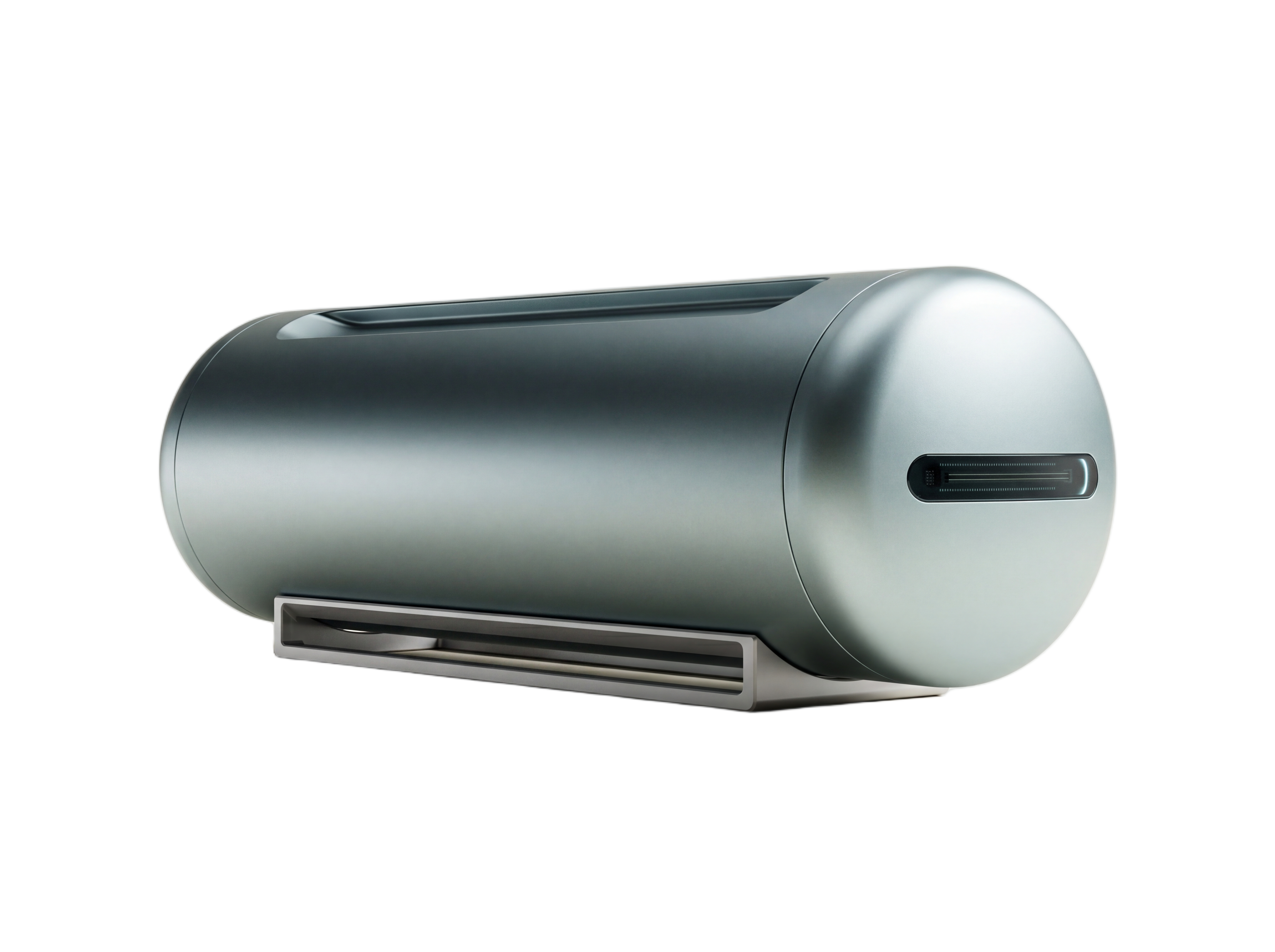 Trench module
The first generation of truly autonomous underwater data centers. Powered by aluminum-graphene. Cooled by the ocean itself. No shore cable required.
Built for the institutions that need to know the ocean in detail.
Oceanographic institutions, university research programs, climate observation networks. Coral fleets enable long-duration wide-area survey programs that traditional research vessels cannot afford.
EEZ monitoring, anti-submarine warfare support, mine countermeasures. Trench-class subsea data centers support autonomous tactical processing in theater.
The ocean stores 90% of excess heat from anthropogenic warming. Long-duration in-situ observation is the fastest way to improve climate models.
Polymetallic nodule fields, hydrothermal mineral deposits, rare-earth-bearing crusts. Coral conducts survey work conventional methods cannot perform at scale.